
Caulking and Weatherproofing Tips for Winchester, VA Homes
Caulk is the cheapest insurance your house carries. A few dollars of sealant stands between your framing and every rainstorm, and between your heated air and a February wind. When a bead fails, and every bead fails eventually, the repair bill that follows can run a thousand times the price of the tube.
The Winchester area is hard on sealants because our weather refuses to sit still. Humid summers, dry furnace heated winters, and freeze and thaw cycles in between keep every joint in the house moving. Here is where local homes leak, what belongs in the caulk gun, and how to get sealed up before heating season.
Where should you caulk and weatherproof your home?
Work the exterior first: the joints where siding meets trim or brick, around window and door casings, and every spot a pipe, vent, faucet, or wire passes through an exterior wall. Inside, seal tub and shower surrounds, the kitchen sink rim and backsplash, and gaps along baseboards on exterior walls. Finish with fresh weather stripping on exterior doors and a gasket on the attic hatch. One caution: never caulk window weep holes or the horizontal gaps under lap siding, since those openings exist to let trapped water drain out.
If you only have one free morning, spend it on the south and west faces where sun cooks caulk fastest, and on the tub surround, where a failed bead quietly feeds water into the wall behind the tile.

Why caulk fails fast in the Shenandoah Valley
Caulk spends its whole life being stretched and squeezed. Summer humidity swells the framing, winter furnace air shrinks it back, and every joint moves a little with each swing. Add valley freeze and thaw cycles that turn absorbed moisture into ice, plus strong afternoon sun on exposed walls, and even a quality exterior bead is doing well to last five to ten years.
Failure is easy to spot once you look for it: cracks down the center of the bead, edges pulling away from one side of the joint, or caulk gone hard and chalky. Press a fingernail into a suspect bead. If it feels like a candle instead of a rubber band, it is decoration, not protection.
The outside tour: finding the gaps that matter
Start where different materials meet, siding to trim, siding to brick, trim to foundation. Different materials expand at different rates, so those joints move the most and fail first. Then hunt penetrations: hose bibs, dryer vents, bathroom fan caps, air conditioning line sets, cable and electrical entries. Each one is a hole drilled through your weather barrier, held shut by a ring of sealant nobody has checked in years.
Window and door casings earn extra attention on the weather sides of the house. Seal where casing meets siding, along the top and sides of the trim, and check the joint under the sill. Exterior light fixtures, garage door trim, and the gap where a porch roof or deck ledger meets the wall round out the list on most Winchester homes.
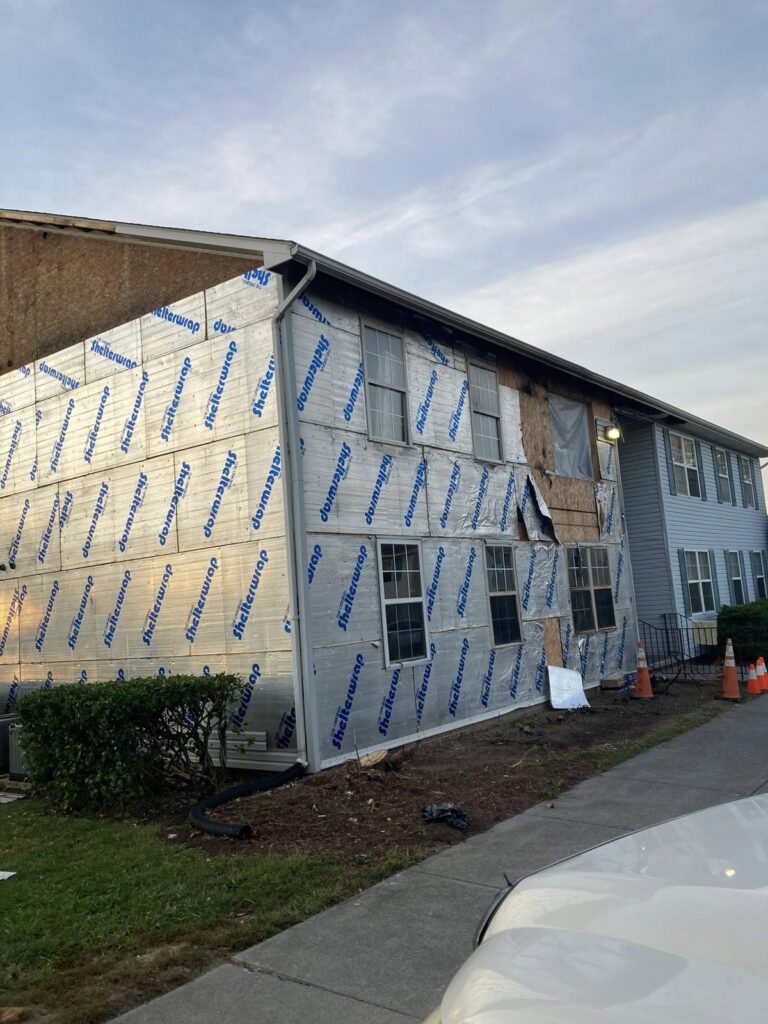
Matching the sealant to the joint
Acrylic latex caulk is the easy one: paintable, simple to tool, and right for interior trim and low movement gaps. Exterior joints want more muscle, so reach for siliconized acrylic at minimum, or a polyurethane or hybrid sealant on wide joints that move a lot. Pure silicone owns the wet areas, since it stays flexible and waterproof for decades on tile, glass, and tubs, though paint will not stick to it. Any gap much over a quarter inch deep gets foam backer rod first, so the bead cures in the right shape instead of sagging into the void.
Prep decides whether the new bead lasts. Old failed caulk gets scraped out completely, the joint gets cleaned and dried, and the new bead gets tooled smooth so it sheds water. A fat bead smeared over old caulk looks fine for a season and fails by spring.
Bathrooms, kitchens, and the weather stripping round
Inside, tub and shower joints work as hard as anything on the siding. Use a kitchen and bath rated sealant with mildew protection, and borrow a pro trick: fill the tub with water before caulking so the joint sits at its widest while the bead cures, which keeps it from tearing loose the first time someone takes a bath. Kitchen sink rims, backsplash seams, and the toilet base finish the wet work, leaving a small gap at the back of the toilet so a hidden leak can show itself.
Then swap the soft goods. Door sweeps and compression weather stripping on exterior doors, a foam gasket on the attic hatch, and foam pads behind outlet and switch plates on exterior walls all take minutes each. Together they close the drafts caulk cannot reach, the moving gaps around things that open and close.
Bottom Line
Weatherproofing is not one big job, it is thirty small ones: scrape, seal, and tighten every joint that moves and every hole that leaks. Handled before the first cold snap, the whole list costs less than one month of wasted heat. Homefix Pro handles caulking and weatherproofing for homeowners across Winchester, Stephens City, and Frederick County, usually in a single visit with the right sealant for every joint on the truck. Book a sealing visit this fall and let your furnace work shorter shifts all winter.


